
Sophia Streeter · October 14, 2026
The New Definition of Privacy in San Francisco Luxury Real Estate
San Francisco is a city defined by connection.
Neighborhoods are compact, streets are active, and some of the city's greatest pleasures are found just outside the front door. Restaurants, galleries, parks, shops and the waterfront are woven into everyday life, often within just a few blocks of home.
For luxury buyers, however, that proximity can create an interesting tension. The same qualities that make San Francisco so appealing can also make privacy feel increasingly valuable.
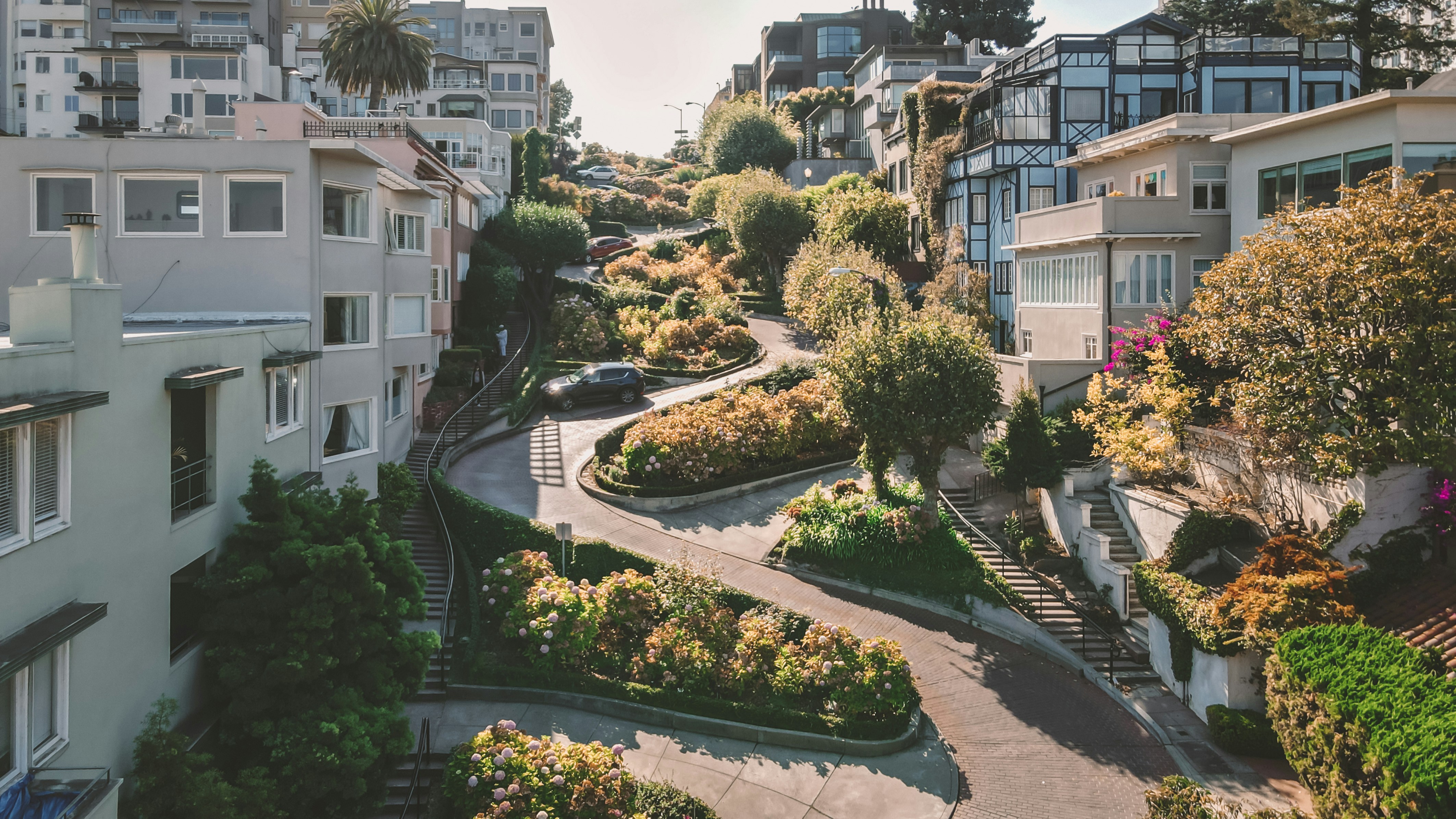
At the high end of the market, privacy rarely means acreage or complete separation from the world around you. In a city as dense as San Francisco, it is more often created through architecture, elevation, landscaping, orientation and discretion.
A private garden can create separation from the street. A carefully positioned window can capture a spectacular view without exposing the rooms behind it. A discreet entrance or private elevator can make the transition from public to private feel almost invisible.
The most private homes in San Francisco aren't necessarily the ones that hide from the city—they are the ones that give you control over how much of the city you experience.
Privacy Has to Be Designed
In Marin, the landscape can often do much of the work. A long driveway, a hillside setting or a stand of mature redwoods can naturally create distance between a home and the outside world.
San Francisco requires a different approach.
Here, privacy is often built into the property itself:
Orientation can be particularly important. A home may have extraordinary views of the Bay, the Golden Gate Bridge or the city skyline while maintaining a remarkable sense of separation from neighboring properties. The right positioning can allow a homeowner to enjoy the view without feeling as though the home is equally visible from every direction.
Elevation can create another layer of privacy. A residence set above the street can feel surprisingly removed from the activity below, even when it is surrounded by the city.
Then there is architecture. Thoughtful sightlines, strategically placed windows, private terraces and distinct spaces for entertaining and everyday living can all change how exposed a home feels. In some properties, the architecture creates privacy almost imperceptibly, allowing the home to remain open and connected while still feeling protected.
Landscaping can have a similar effect. A mature tree, enclosed garden or carefully planted terrace may not create physical isolation, but it can provide a meaningful visual and psychological buffer between a home and its surroundings.
At the luxury level, discretion can also extend to the way a property is accessed. Private garages, secure entrances, limited-access buildings and private elevator service can all contribute to a greater sense of separation.
These details may not always appear prominently in a listing description, but they can have a profound effect on how a home feels once you are living there.
Privacy Looks Different Across San Francisco
One of the most interesting aspects of privacy in San Francisco is that it changes with the character of the neighborhood.
Let’s dive into what this might look like in different parts of the city:
Pacific Heights & Presidio Heights
In Pacific Heights and Presidio Heights, privacy often comes through a combination of architecture, scale and setting.
Large historic homes, substantial interiors, mature landscaping and quieter residential streets can create a sense of separation that feels almost estate-like, despite being firmly within the city.
Presidio Heights has an especially strong connection to the Presidio, with tree-lined streets and a more residential atmosphere along the park's edge. Pacific Heights offers a somewhat more urban version of the same balance, pairing grand homes and Bay views with easy access to the Fillmore and Sacramento Street corridors.
For buyers who want to remain close to the center of San Francisco life without feeling surrounded by it, the distinction can be significant.
Russian Hill
On Russian Hill, topography becomes part of the privacy equation.
Elevation can create a natural sense of separation from the street, while the orientation of a property can determine whether its views open toward the Bay and city or directly toward neighboring homes.
The result can be a particularly compelling form of urban privacy: a residence that feels elevated above the activity around it while still offering an immediate connection to the city.
Here, privacy is often less about what surrounds the property and more about how the property is positioned within its surroundings.
Sea Cliff & Lake Street
In Sea Cliff and along Lake Street, privacy begins to take on a more retreat-like character.
The Presidio, coastline and quieter residential streets provide a natural buffer, while the neighborhood's larger homes and landscaped properties can feel remarkably removed from the density associated with much of San Francisco.
Sea Cliff is particularly distinctive. Its position along the Pacific gives many homes a sense of geographic separation that is difficult to recreate elsewhere in the city. The result is a setting where dramatic views and a strong feeling of privacy can exist together.
For buyers who want to remain in San Francisco while creating a stronger sense of retreat at home, that combination can be difficult to replicate.
Luxury Condominiums & Full-Floor Residences
Privacy in San Francisco luxury real estate isn't limited to detached homes.
For some buyers, a full-floor condominium or co-op can provide a very different—and equally compelling—version of privacy.
Private elevator access, secure entry, dedicated parking and limited neighboring residences can create a sense of separation that is difficult to achieve in a traditional urban building. A well-designed floor plan can further distinguish entertaining areas from private quarters, while expansive terraces can provide outdoor space without the exposure that often comes with city living.
In this setting, the building becomes part of the privacy strategy.
The Luxury of Control
Perhaps the most valuable form of privacy in San Francisco is ultimately not isolation. It is control.
It is being able to decide who enters your home, what the outside world can see, and how much of the surrounding activity becomes part of your daily experience.
That might mean a garden that feels secluded despite being only steps from the sidewalk. It might be a terrace positioned to capture the Bay while remaining protected from neighboring views. It could be a private entrance that allows a homeowner to come and go without moving through a heavily shared space.
These distinctions become particularly meaningful at the upper end of the market, where buyers are not simply comparing square footage and finishes. They are considering how a property supports the way they actually want to live.
And in a city where luxury inventory remains limited, those qualities can be difficult to replace. San Francisco's luxury market has seen strong demand in 2026, with Redfin reporting that luxury sales rose more than 22% year over year in March and that the median luxury sale price reached nearly $6.8 million. More recent market reporting has continued to point to strong demand and tight inventory at the upper end.
Privacy, in that context, becomes more than an attractive feature—it becomes part of what makes one property fundamentally different from another.
Privacy Is Part of the Property's Experience
Privacy is difficult to capture on a listing sheet.
Square footage tells you how much space a home offers. A view tells you what you can see. A floor plan shows you how the rooms connect.
None of those details fully explains how a home feels when you are living there.
For Dara + Ames, understanding that experience means looking beyond the obvious. It means considering how a property meets the street, how guests arrive, where the windows are positioned, how outdoor spaces relate to neighboring properties and how easily the home allows you to move between connection and retreat.
Because in San Francisco, privacy doesn't necessarily mean being hidden—it means having the freedom to choose how much of the city you let in.
That balance can look very different from one property to the next, which is why understanding the nuances of San Francisco's neighborhoods—and the homes within them—matters so much.
Reach out to us to explore what privacy, connection and luxury can look like in San Francisco.
Ken Dara + Jennifer Ames